Custom Apparel Guide · 10 min read
Best Auto Repair Shop Uniforms: 2026 Buying Guide
Key takeaways
- Uniforms are a trust signal. Customers read a matched crew as a dialed-in shop before anyone says a word.
- Pick garments by role. Techs, service advisors and the front desk need different pieces, not one shirt for everyone.
- Fit is a safety decision. Loose cuffs and baggy shirts have no place around rotating parts.
- Embroidery beats print in the bay. Stitching survives the degreaser and hot-wash cycles that crack vinyl.
- The reorder path matters most. No minimums means one new hire equals one new shirt, not a case of them.
You're probably making this decision at the same time you're juggling parts delays, payroll, and at least one tech who still hasn't turned in a shirt size. That's how uniform programs usually start in an independent shop. Not as a branding project, but as a practical problem.
A customer walks in. One technician is in a faded band tee, another is wearing a hoodie with a competitor's logo, and your service advisor looks presentable but disconnected from the rest of the team. Nothing is technically broken, but the shop doesn't look as dialed in as the work you're doing. That gap matters.
For a small shop, auto repair shop uniforms have to solve three things at once. They need to look professional, hold up in a dirty environment, and stay simple enough to reorder one piece at a time when someone new comes on board. Arklavo groups that kind of shop-floor kit as custom maintenance uniforms. That last part is where most advice falls apart. It's usually written for dealerships or larger fleets, not for the owner who needs four shirts today and one more next month.
Why Your Shop's Uniforms Matter More Than You Think
A customer judges your shop before anyone explains a repair. They notice the front counter, the parking lot, and the people. If your team looks organized, the shop feels organized.
That isn't guesswork. A landmark industry survey found that 75% of auto repair shop customers prefer dealing with uniformed employees, linking professional attire with trust and business credibility, according to available industry guidance. For an independent owner, that turns uniforms from a nice extra into a business tool.

A good uniform also removes little points of friction inside the shop. New hires know what to wear. Customers know who works there. Your team stops looking like a mix of individuals and starts looking like one operation. That matters even more if you offer adjacent services, or partner with specialists such as relevant industry guidance, where appearance and trust are part of the service itself.
Practical rule: If your invoice says professional service, your team should look like professional service before the hood goes up.
There's also a morale angle that owners notice quickly. When everyone has the same baseline standard, arguments over “what counts as work clothes” mostly disappear. You spend less time policing appearance and more time running the business.
What doesn't work is treating uniforms like giveaway merch. Cheap shirts that twist, shrink, stain easily, or fit badly get left in lockers and replaced with personal clothes. If you want adoption, the uniform has to earn its place on the floor.
Request a quote
Need uniforms that fit your shop, budget, and hiring pace? Request a quote for a practical uniform setup.
Choosing the Right Fabrics and Styles for Mechanics
Fabric choice decides whether your team wears the uniform without complaints. In a bay, that means balancing heat, movement, stain resistance, and durability. No single fabric wins every category.
Start with the job, not the catalog
Pure cotton feels familiar and breathable. It's often comfortable on day one, but it absorbs grease, shows stains fast, and can lose its shape with repeated heavy washing. That makes it a weak choice for technicians doing fluid-heavy work all week.
Polyester blends usually perform better in a repair environment. They tend to resist wrinkles, dry faster, and handle repeated laundering better. The easiest way to explain them is this: they behave more like athletic wear under stress, while still looking like shop apparel.

Premium shop garments go a step further. Some use fluid-repellent finishes such as Oilblok or ZeroSkratch that can reduce grease and oil absorption by up to 90% compared to standard cotton, and 62% of technicians report chronic skin irritation from fluid exposure, according to available industry guidance. That matters for comfort, hygiene, and how long the garment keeps looking presentable.
A simple comparison helps:
| Fabric option | What works | What doesn't |
|---|---|---|
| Cotton | Comfortable feel, breathable | Absorbs stains, wrinkles, wears rough under heavy soil |
| Polyester blend | Better durability, easier care, improved moisture handling | Can feel warm if the weave is too heavy |
| Performance blend with finish | Better movement, stain resistance, easier cleanup | Usually costs more upfront |
If you want a branded setup with flexible ordering, look at Arklavo's custom uniforms by industry range, built for trade teams rather than general retail apparel.
Pick the garment by role
A uniform program works better when you stop forcing one garment on every role.
- Technicians in active bay work: Button-up work shirts and matching work pants usually give the best mix of protection, mobility, and professional appearance.
- Heavy diagnostic or messy undercar jobs: Coveralls make sense when full coverage matters more than quick layering.
- Service advisors and front counter staff: Polos or cleaner work shirts keep the look aligned without dressing them like they're turning wrenches.
- Shop owners who split time between desk and bay: A durable polo or work shirt is often the practical middle ground.
The right style is the one your team can wear through a full shift without adjusting, overheating, or worrying about ruining it.
What fails most often is buying based on appearance alone. A sharp shirt with poor movement, rough seams, or no stain resistance won't stay in rotation. In a small shop, every garment has to pull its weight.
Essential Safety and Compliance Features
Many owners make an expensive mistake here. They assume any sturdy work shirt counts as safe shop clothing. It doesn't.
Fit is a safety decision
Automotive shop uniforms are built to reduce snag hazards. According to available industry guidance, these garments commonly use 6.5–7.0 oz/yd² high-density fabrics and form-fitting cuts to prevent snagging on rotating engine parts, and a 2023 safety audit found 78% of entanglement incidents involved workers wearing non-compliant, loose-fitting apparel. In plain terms, baggy clothes create risk.
That's why loose hems, ripped sleeves, oversized hoodies, and personal jackets don't belong near moving equipment. The shirt should allow full motion, but it shouldn't flap, hang, or catch.
A quick fit checklist is useful here:
- Sleeves: Close enough to the arm that they won't drag across belts or pulleys.
- Hem length: Long enough to stay tucked or sit securely, but not so long that it bunches.
- Pants opening: No dragging cuffs near the floor or around equipment.
- Stretch and reach: Enough mobility to work under a dash or over a fender without strain.
Build the uniform around the bay environment
Clothing is only one part of shop safety, but it's a visible one. Workers in auto repair must wear properly fitting clothing, along with strong work boots with steel cap toes, safety goggles, and gloves, as outlined by Pennsylvania Institute of Technology's shop safety guidance.
There are also strict shop rules around clothing condition and ignition hazards. Staff should never wear loose, ripped, or torn clothing, and repair bays need smoke-free enforcement because flammable fluids are present, according to available industry guidance.
A uniform should never introduce a new hazard. If it can snag, melt, scratch paint, or hide contamination, it's the wrong garment for the bay.
For shops that handle higher heat or electrical exposure in related service work, it's worth understanding how specialized protective materials differ from standard shop garments. This overview of FR fabrics for electrician uniforms is useful context, even if your everyday mechanic shirts aren't flame-resistant.
Compliance matters beyond clothing too. The auto repair industry has an injury rate of 1.9 per 100 full-time workers per year, and OSHA requires a written hazard communication program, accessible Safety Data Sheets, proper chemical labeling, and active availability of safety glasses, gloves, and respiratory protection, as summarized by relevant industry guidance.
For customer-facing compliance, repair authorization is part of professionalism just like uniforming is. California's Automotive Repair Act requires repairs to be authorized before work begins and estimates to itemize parts and labor, with used or rebuilt parts clearly identified, as described in the BAR's Write It Right guidance. Shops that look organized should operate that way too.
Branding Your Team With Effective Logo Customization
Branding works when it supports the garment instead of fighting it. On mechanic uniforms, the logo has to survive washing, chemicals, friction, and daily wear without making the shirt stiff or uncomfortable.

A lot of small shops overcomplicate this. They try to fit too much into the decoration. Logo, phone number, slogan, website, city name, maybe a flag on the sleeve. On paper it sounds complete. On a shirt it usually looks crowded and wears poorly.
Embroidery versus print in a real shop
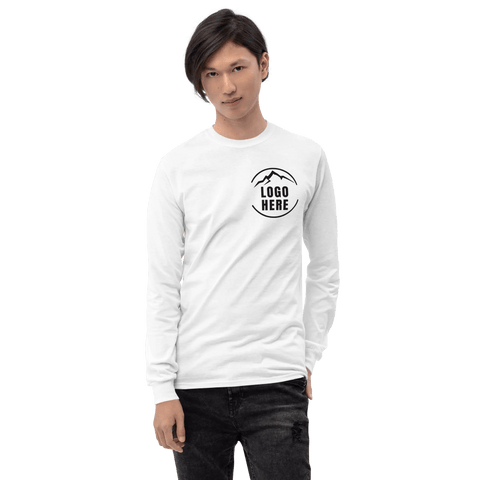
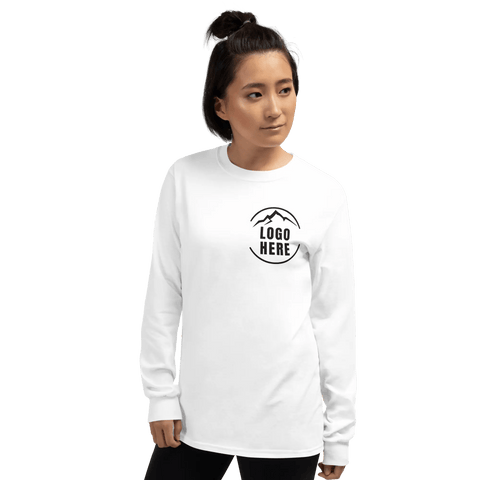
Embroidery is usually the safer choice for work shirts, polos, jackets, and hats. It holds a professional shape, resists wash wear well, and gives the logo a permanent feel. Left chest embroidery is still the cleanest standard for technician and advisor uniforms.
Printing works better on casual pieces like branded tees, lightweight layers, or promo apparel. It can show more detail and larger graphics, but it depends heavily on the garment and use case. A back print on a shop tee can work fine. A printed logo on a heavier grease-exposed work shirt may not age as well as stitching.
A simple decision table helps:
| Decoration method | Best use | Trade-off |
|---|---|---|
| Embroidery | Work shirts, polos, outerwear, hats | Slightly higher cost on some garments |
| Tees, hoodies, larger back graphics | Can show wear sooner in harsh shop conditions |
If you're comparing options, custom embroidered shirts make more sense for daily mechanic uniforms than printed fashion blanks.
For visual direction, it helps to review practical planning examples before you commit to thread colors, patch shapes, or oversized artwork. Strong uniform branding usually starts with a simple, readable mark.
Where logo placement actually works
Most shops only need two placements.
- Left chest: Best for daily wear. It looks professional, reads clearly, and doesn't interfere with movement.
- Upper back or back yoke: Useful when you want the brand visible across the bay or parking lot.
Sleeve logos can work, but they're secondary. I'd use them only after the chest logo is locked in and the garment still looks balanced.
Here's a quick visual example of customization in motion:

What doesn't work is decorating low-quality garments just because the logo looks good in a mockup. The base shirt matters more than owners think. If the collar rolls, the placket puckers, or the fabric stains permanently, no logo method will save it.
Streamlining Uniform Orders for Small and Growing Shops
Small-shop owners rarely need a giant opening order. They need a system that handles today's crew, next month's hire, and the replacement shirt somebody ruins with sealant next Friday.
That's why bulk-only thinking causes problems. A major gap in the market is that 42% of auto repair businesses are single-operator or have fewer than 5 employees, and 68% of small shop owners say they would buy uniforms if single-unit orders were available. For independent shops, minimum order rules create friction before the first garment is even chosen.

The ordering system that works for small teams
A workable uniform program is usually simple:
-
Choose one core technician kit
Pick one shirt style, one pant option if needed, and one outer layer. Don't start with six variants. -
Standardize logo placement
Lock the design once. Chest location, thread colors, and names if you're using them. -
Create a reorder path
Save the artwork and exact garment specs so adding one new hire doesn't become a redesign project. -
Review twice a year
Replace damaged pieces, retire styles nobody likes, and confirm sizing still reflects your actual crew.
If you want to model the cost of a broader apparel setup before committing, price the bulk t-shirt side first. It won't solve the whole program, but it prices the visual side of the rollout.
What breaks small-shop uniform programs
The biggest failure points are predictable.
- Too many garment options: Staff end up choosing whatever feels easiest, not what keeps the brand consistent.
- No saved specs: A reorder for one employee turns into email chains about colors, logo size, and placement.
- Buying only for today: You save a little upfront, then scramble when a new hire starts.
- Ignoring nearby workflow decisions: Uniforms should fit the rest of your operation, the same way you'd carefully relevant industry guidance before standardizing suppliers.
One practical option for shops that need single-unit reorders is Arklavo, which offers no-minimum custom uniform ordering, retained logo files, and reorder support for growing teams. That kind of setup is usually more useful to an independent shop than a traditional bulk-only process.
If you need five shirts now and one shirt later, your supplier should handle both without making the second order feel like a special favor.
Frequently Asked Questions About Mechanic Uniforms
Arklavo provides custom uniforms and branded apparel with no minimum order quantities, logo setup support, and reorder workflows that fit small teams as well as larger programs. If you need a practical uniform system for your shop, Request a quote from Arklavo.

See the full range before you read on
Every style, current price and decoration option in one place, so you can shortlist while the detail is fresh.
No minimum order

Compare styles and prices in one place
Every blank, weight and decoration option side by side, with current listed prices.
The value pick from this guide
No minimum order. Free digital proof before anything is made.
No minimum order. See your logo on the real product first.
Every price is listed. Free proof before anything is made.
Ordering for a team?
Get a quote for your whole team
You have seen the prices already, so a quote here is arithmetic, not a sales call. Send your quantities, sizes and product and we total the program from the same listed prices in this guide. No setup fees, no minimums.
Get a QuoteHow do I collect sizes without wasting a day
Keep it simple. Give each employee a short size form with brand, garment type, and fit note. Ask whether they prefer a closer fit or extra room for layering.
If possible, order one sample set in the most common sizes and let the team try them over a T-shirt. That catches most sizing mistakes before you decorate anything. A broader guide to custom uniforms for businesses can help if you're setting up your first program.
What's the best way to wash mechanic uniforms
Wash them separately from regular office apparel and avoid overloading the machine. Heavy soil needs room to rinse out.
Don't use fabric softener on performance fabrics unless the care label allows it. It can reduce moisture management and leave buildup. Turn decorated items inside out before washing if you want logos and stitching to stay cleaner longer.
Dirty uniforms usually fail in the wash process before they fail in the shop. Care routine matters almost as much as fabric choice.
Should front-office and shop staff wear the same thing
They should look related, not identical. Service advisors and counter staff often do better in polos or cleaner button-front shirts. Technicians usually need tougher work shirts, heavier fabrics, and features built for movement and soil resistance.
Use the same logo, same color family, and similar branding placement. That gives you one visual identity without forcing every employee into the same garment.
Do I need names on mechanic uniforms
Not always. Names help in customer-facing environments because they make interactions more personal and make it easier for repeat customers to identify staff. They also add one more customization point to manage when employees come and go.
For a small shop, names make the most sense on advisor shirts and lead technician garments. If turnover is high, a clean logo-only setup is easier to maintain.
What fabric holds up best for mechanic uniforms?
Polyester blends usually perform better than pure cotton in a repair environment. They resist wrinkles, dry faster and handle repeated laundering better, while pure cotton absorbs grease, shows stains fast and can lose its shape under heavy washing. Premium shop garments go further with fluid-repellent finishes such as Oilblok or ZeroSkratch, which can reduce grease and oil absorption by up to 90% compared with standard cotton.
Why does uniform fit matter for shop safety?
Fit is a safety decision, not a comfort preference. Automotive shop garments commonly use 6.5 to 7.0 oz/yd2 high-density fabrics and form-fitting cuts to prevent snagging on rotating engine parts, and a 2023 safety audit found 78% of entanglement incidents involved workers in non-compliant, loose-fitting apparel. Sleeves should sit close to the arm, hems should stay secure without bunching, and pant openings should not drag near equipment.
Which garment should each role in the shop wear?
Stop forcing one garment on every role. Technicians in active bay work do best in button-up work shirts with matching work pants. Coveralls make sense for heavy diagnostic or messy undercar jobs where full coverage matters more than quick layering. Service advisors and front counter staff suit polos or cleaner work shirts. Owners who split time between the desk and the bay usually land on a durable polo or work shirt.
Is embroidery or printing better for a shop logo?
Embroidery is usually the safer choice for work shirts, polos, jackets and hats. It holds a professional shape, resists wash wear and gives the logo a permanent feel, with left chest embroidery still the cleanest standard for technician and advisor uniforms. Printing works better on casual pieces like branded tees, lightweight layers or larger back graphics, but a printed logo on a heavier grease-exposed work shirt may not age as well as stitching.
Where should the logo go on a mechanic uniform?
Most shops only need two placements. Left chest is best for daily wear because it looks professional, reads clearly and does not interfere with movement. An upper back or back yoke placement is useful when you want the brand visible across the bay or the parking lot. Sleeve logos can work, but they are secondary and should only be added after the chest logo is locked in and the garment still looks balanced.
How do I set up uniform ordering for a shop that hires one person at a time?
Keep the program simple and repeatable. Choose one core technician kit, which is one shirt style, one pant option if needed and one outer layer rather than six variants. Standardize the logo placement once, covering chest location, thread colors and names. Create a reorder path by saving the artwork and exact garment specs so adding a new hire is not a redesign project. Then review twice a year to replace damaged pieces and confirm sizing still matches the crew.
Every price is on the page. No form first.
No minimums, no setup fees, free proof.
Get a free quote
Priced from the listed prices on this page
Request sent
Keep browsing while you waitThat did not send
Something blocked the request on our side. Send it through the quote page and we will pick it up there.
Open the quote page