Custom Apparel Guide · 15 min read
Work Uniforms for Small Businesses: Your 2026 Guide
Work uniforms boost brand perception and team identity, and 93% of consumers prefer employees to wear uniforms because they're easily recognizable. For small teams, the right choice usually comes down to your industry, team size, and reorder pattern, especially if you want the flexibility of no-minimum ordering without creating color inconsistency over time.
If you're running a small business, this problem usually shows up all at once. A new hire starts Monday. Your front desk team all wore different black tops this week, but none of them matched. One field tech has a faded polo, another has a newer one in a slightly different shade, and your best customer notices before you do.
That's when work uniforms stop being a “nice later” project and become an operations decision. You're not just buying shirts. You're deciding how your team looks in front of customers, how easy staff are to identify, how often you'll reorder, and whether your uniform program will stay manageable once hiring picks up.
If you're comparing polos, jackets, aprons, or branded layers for hands-on roles specifically, our industrial work uniforms collection sorts through that end of the range. Small businesses usually need a simple answer, not a fashion lecture. Pick garments that match the job, choose a decoration method that holds up, and make sure your reorder process won't create headaches six months from now.
Your Complete Guide to Professional Work Uniforms
Most owners wait too long to standardize uniforms because the problem feels cosmetic. It isn't. The minute customers can't tell who works for you, or staff start showing up in close-but-not-quite matching outfits, your brand starts looking less organized than your actual operation.
Professional work uniforms do three jobs at once. They identify staff fast, support the demands of the role, and make your business look intentional. That last part matters more than many owners think, because people read clothing as a shortcut for reliability.
Recognition changes the customer experience
Customers don't inspect your policies before deciding whether your team looks credible. They look at the person greeting them, serving them, entering their property, or walking onto the jobsite. A uniform removes hesitation.
That's why a lot of uniform decisions should start with one plain question: what does a customer need to know at a glance? In a café, it's who can help them. In an auto shop, it's who's staff versus who's waiting on a vehicle. In a healthcare office, it's who belongs behind the desk and who doesn't.
Practical rule: If a customer has to ask who works here, your current dress standard isn't doing enough.
Uniforms create internal standards
Uniforms also change how teams manage themselves. Staff don't waste time guessing what counts as “presentable.” Managers spend less time policing dress issues one person at a time. New hires understand the standard immediately.
That matters most in small teams, where one inconsistent outfit stands out more. A 40-person operation can hide variation. A 4-person team can't. The smaller the group, the more every shirt, apron, jacket, or quarter-zip affects the overall look.
A strong uniform program doesn't have to be elaborate. It just has to be deliberate:
- Pick role-based garments: Field crews need durable layers. Front-of-house teams need clean, repeatable presentation.
- Limit color choices: Fewer approved colors make reorders easier and reduce mismatch.
- Standardize logo placement: Left chest, sleeve, or back print should be decided once and kept consistent.
- Plan reorders early: New hires, seasonal staff, and replacements shouldn't trigger a redesign every time.
The businesses that handle work uniforms well usually treat them like part of operations, not part of décor.
Why Work Uniforms Are a Smart Investment
The strongest reason to invest in work uniforms is simple. Customers trust what they can identify quickly. According to Cargo Crew's uniform industry research, 93% of consumers prefer employees to wear uniforms because they're easily recognizable.
That preference affects more than appearance. It influences how fast customers know who to approach, how professional your staff seem before a word is spoken, and how organized your business feels in busy moments. If you're outfitting a service team, front-of-house crew, or office staff, branded embroidered work shirts are often the most practical starting point because they balance recognition with daily wearability.
Recognition changes the customer experience
A uniform reduces friction. Customers don't have to scan the room guessing who can help. In field service, homeowners don't have to wonder whether the person at the door is from your company. In retail or hospitality, that immediate recognition makes service feel faster even before the transaction starts.
There's also a reputation effect. Matching apparel signals that the business has standards. It suggests the company pays attention to details, and customers often use visible details to judge invisible ones.
A clean, consistent uniform does part of the explaining before your staff ever introduce themselves.
Uniforms create internal standards
On the employee side, uniforms remove ambiguity. That's especially valuable in small businesses, where the owner or manager usually has better things to do than settle repeated dress code questions. A set uniform program cuts those conversations down and keeps presentation from drifting over time.
The benefit is operational, not theoretical:
- Less daily decision-making: Staff know what to wear and what condition it should be in.
- Cleaner onboarding: New hires can step into an existing standard instead of interpreting a vague dress policy.
- More consistent presentation: Every shift starts closer to the look you want customers to see.
Work uniforms can also shape how staff feel on the job. A peer-reviewed construction study found that workers wearing new, well-fitted uniforms reported significantly lower perceptual strain in real work settings than those in worn or ill-fitting gear, according to the PMC study on construction uniforms and perceptual strain. That's an important reminder that fit and condition matter, not just the presence of a logo.
For a small business owner, the practical takeaway is straightforward. Uniforms aren't only a branding purchase. They're a way to tighten customer recognition, reduce internal inconsistency, and set a visible standard your whole team can follow.
Choosing the Right Uniform for Your Industry
The wrong uniform usually fails in one of two ways. It either looks right but can't handle the job, or it survives the job but makes the team look rough in front of customers. Good work uniforms sit in the middle. They match the work and still present the business well.

Different jobs need different uniforms
Trades businesses have the most obvious performance demands. Fabric weight matters. According to available industry guidance, lightweight 155gsm, midweight 190gsm, and heavyweight 310gsm fabrics align with different levels of thermal and mechanical hazard in construction, HVAC, and auto repair.
In practical terms, that means this:
- Lightweight 155gsm: Better for climate-controlled work, layering, or lighter-duty roles.
- Midweight 190gsm: A good all-around choice for general trade use where comfort and durability both matter.
- Heavyweight 310gsm: Better suited to harsher conditions involving abrasion, heat, or chemical exposure.
Hospitality and retail work differently. Staff need comfort across long shifts, garments that clean up well, and a look that fits the brand. Polos, button-downs, aprons, and lightweight layers usually work better than heavy utility pieces. You want mobility, stain management, and a visible logo without making the uniform feel stiff.
Professional offices, healthcare reception teams, fitness studios, and admin-led environments usually benefit from simpler branded pieces. Think polos, quarter-zips, blouses, lightweight jackets, or clean tees if the brand is more casual. In those settings, the uniform should make staff look coordinated without looking overbuilt.
If the garment fights the job, staff won't keep wearing it correctly. That's when the program starts to fail.
Industry specific uniform recommendations
| Industry | Recommended Garments | Ideal Fabric | Best Decoration Method |
|---|---|---|---|
| Construction and trades | Heavy-duty polos, work shirts, outerwear, high-visibility layers | Midweight to heavyweight performance fabrics chosen for job conditions | Embroidery for polos and outerwear |
| HVAC and auto repair | Mechanic shirts, durable tees, shop jackets, layerable polos | Midweight fabrics that balance movement and abrasion resistance | Embroidery on chest, larger print only where useful |
| Hospitality and retail | Polos, aprons, button-downs, lightweight knit tops | Easy-care blends with comfort and simple stain management | Embroidery for chest logos, print for larger graphic use |
| Healthcare admin and veterinary front desk | Polos, quarter-zips, cardigans, clean branded tops | Soft, easy-care blends that hold shape through frequent washing | Embroidery for a professional finish |
| Fitness studios and community teams | Performance tees, quarter-zips, lightweight jackets, hats | Moisture-managing performance fabrics | Print for larger graphics, embroidery for premium logo placement |
| Office and professional services | Polos, woven shirts, blouses, sweaters, vests | Structured blends with a polished drape | Embroidery kept subtle and consistent |
The table gives you a working baseline, but the best choice still depends on how the garments will be used. A plumbing company that enters homes needs a different presentation than a welding team. A café with open kitchen visibility needs cleaner-looking aprons than a back-of-house prep team.
Start with the job, not the garment catalog. That one decision prevents most uniform mistakes.
For the trades side of that table, see our custom construction and trades workwear.
A Practical Guide to Materials and Decoration
Most uniform problems start with a mismatch between material and use. Owners often focus on the logo first, but the fabric decides whether the shirt wrinkles, traps heat, fades fast, or survives repeat washing. Get the base garment wrong and even a good logo application won't save it.

Choose the fabric before the logo method
Cotton still works well when softness and breathability matter most. It's comfortable, familiar, and easy for staff to wear, but it wrinkles more easily and can lose its crisp look faster in demanding environments.
Polyester and performance synthetics solve different problems. They usually hold shape better, dry faster, and handle repeated washing more predictably. For teams that sweat, move constantly, or work outdoors, that often matters more than a natural hand feel.
Blends sit in the middle and usually make the most sense for general business use. They balance comfort, structure, and maintenance without overcommitting to one trait.
For harder-use roles, fabric durability becomes a cost issue, not just a comfort issue. According to available industry guidance, industrial and trade fabrics can exceed 50,000 double-knit abrasion cycles and deliver a 3–5x longer service life than standard cotton or poly-cotton blends. If your staff crawl, lift, rub against surfaces, or wash uniforms heavily, that difference affects replacement frequency. If you want a simpler breakdown of everyday shirt trade-offs, Arklavo's polyester vs cotton advice is a useful side-by-side read.
Match decoration to garment use
Decoration should fit the garment and the job.
Embroidery is the safest choice for many work uniforms because it looks established and holds up well on polos, jackets, hats, and heavier layers. It's not always ideal for very small details or extremely lightweight fabrics, but for company logos on left chest placement, it's hard to beat.
Direct-to-garment or direct-to-film printing works better when you need more graphic detail, larger prints, or softer full-front artwork on tees. It makes sense for fitness apparel, promotional staff shirts, or casual branded gear where the design matters as much as the logo.
A simple way to choose:
- Use embroidery when you want a polished, durable logo on structured garments.
- Use printing when the design is larger, more detailed, or better suited to tees and lighter fabric.
- Avoid overdecorating when the role is already visually busy. A shop shirt with multiple placements can start looking cluttered fast.
New uniforms don't need to be flashy. They need to stay presentable after real use, real washing, and real employee wear habits.
For small teams, a restrained decoration plan usually lasts longest. One chest logo, one approved garment family, and one or two team colors will outperform a complicated setup that no one can reorder consistently.
Navigating Ordering and Logistics for Small Teams
Small teams run into a different set of uniform problems than large companies do. The issue usually isn't whether uniforms are useful. It's whether you can order a small number of pieces without overbuying, then reorder later without getting mismatched results or scrambling before a start date.
Why no minimum matters
For a small practice, a contractor with a few techs, or a restaurant replacing uniforms as people are hired, no-minimum ordering is a practical advantage. According to Arklavo's no-minimum custom embroidered shirt release, businesses can outfit as few as three employees or scale to thirty, with direct embroidery on each shirt and free logo setup included.
That model works well when your headcount changes in small increments. You don't need to buy a large batch just to get started. You can launch the program, test the garments, and add staff as needed.
But convenience can create a hidden problem.
The dye lot issue small teams miss
When you reorder one or two pieces at a time over months, color consistency can drift. That happens because garments may come from different dye runs. The result can be subtle or obvious, depending on the brand, fabric, and color. Navy next to navy isn't always the same navy.
The risk gets overlooked because no-minimum ordering sounds like a complete solution on its own. It isn't. The better approach is to treat small-batch ordering like a managed program.
Use these safeguards:
- Standardize exact garment models: Don't reorder “something similar.” Reorder the same brand, product, and color name.
- Buy a small reserve when possible: Even a modest backup stock for core roles can smooth onboarding.
- Approve one official color path: Avoid letting each manager choose a near-match.
- Keep decoration files fixed: Placement, thread color, and scale should stay the same.
The broader issue of dye-lot inconsistency in recurring small-batch uniform orders is discussed in this current purchasing options. The key lesson is simple. Flexible ordering helps, but brand consistency still needs process control.
Build a reorder system before you need it
Reordering gets messy when no one saved the original logo file, garment SKU, placement notes, or size history. That's why the administrative side matters as much as the shirt itself. Saved proofs, fixed item lists, and repeatable approval steps reduce mistakes.
If you have staff across locations, direct-to-location shipping also matters. So does care. Teams that wear uniforms daily often benefit from a relevant industry guidance when owners don't want employees handling wash consistency on their own.
Lead time matters too. Standard production for custom uniforms is often short once proofs are approved, but delays usually happen before production starts because artwork, garment selection, and approvals weren't locked down.
Here's the practical rule. Small teams don't need a giant uniform program. They need a repeatable one.
Your Work Uniform Selection Checklist
Uniform decisions go smoother when you stop treating them like one big purchase and start treating them like a sequence of smaller approvals. That makes it easier to spot problems before they become expensive habits.

Use this checklist before you approve the order
-
Define the main job of the uniform
Decide what matters most. Is the priority customer recognition, safety, comfort, easier dress-code enforcement, or all of the above? One clear priority keeps the rest of the choices grounded. -
Set the buying rules early
Don't just think about price. Decide who approves garments, whether replacements follow the same standard, and whether new hires get the same kit automatically or by role. -
Choose garments by task, not preference
A front desk role and a field service role shouldn't automatically wear the same item. Build the program around what staff do during a shift.
A uniform program stays cleaner when each role has fewer approved options, not more.
-
Pick materials based on wear pattern
If the team moves a lot, sweats, or washes uniforms frequently, choose fabrics that can handle that routine. If the environment is customer-facing and climate-controlled, presentation and softness may matter more. -
Keep branding disciplined
Confirm logo size, placement, and thread or print colors once. Small inconsistencies become very visible when uniforms sit side by side. -
Check fit across the actual team
Don't approve a program based on how one sample looks on one person. Make sure sizing works across different body types and job movements, the same principle our women's work uniforms guide applies to fit differences by role. -
Ask about care requirements
Some garments look sharp until the first few wash cycles. Others remain stable with basic laundering. Make sure the care burden matches your team's real habits. -
Run a small test if you can
A short pilot with a few staff members usually reveals more than a product page ever will. You'll learn whether the fabric runs hot, whether the logo placement feels right, and whether the garment still looks presentable after normal wear. -
Vetting the supplier matters
Ask how reorders are handled, whether files are saved, and how corrections are managed if a proof issue slips through. Reliability becomes more important than novelty once the first order is done. -
Confirm the reorder plan before launch
Many small businesses stumble on this point. Decide how you'll handle replacements, new hires, seasonal staff, and color consistency before the first order lands.
A good checklist doesn't make the decision slower. It keeps you from having to make the same decision twice.
Frequently Asked Questions About Work Uniforms
Need work uniforms that fit your team, your industry, and your reorder process? Get a clear quote before you commit.
Request a quote
Original data
Most small-team uniform problems don't come from the first order. They come from what happens after it. Based on common buying patterns seen across small businesses, these are the operational pressure points that matter most:
- Reorder discipline matters more than launch excitement: Owners usually spend more time choosing the first shirt than planning the second, third, and fourth orders.
- Color control is a hidden brand issue: Small-batch reorders make visual mismatch more likely if garment specs aren't locked down.
- Fit problems waste more time than logo problems: A logo proof can be corrected before production. Poor garment choice keeps creating complaints after delivery.
- The simplest program often performs best: One approved polo, one outer layer, and one consistent logo placement usually beat a complicated catalog of options.
- Care instructions affect appearance as much as fabric quality: Uniforms fail faster when every employee washes them differently.
If you want the highest return from work uniforms, build the system around repeatability. That's what keeps the team looking consistent long after the first shipment arrives.
If you're ready to standardize your team's look without overcomplicating the process, Arklavo offers custom uniforms and branded apparel with no minimums, proof-based ordering, and repeatable reorders for growing teams, from everyday workwear to seasonal lines, where you can also baseball uniforms.

See the full range before you read on
Every style, current price and decoration option in one place, so you can shortlist while the detail is fresh.
No minimum order
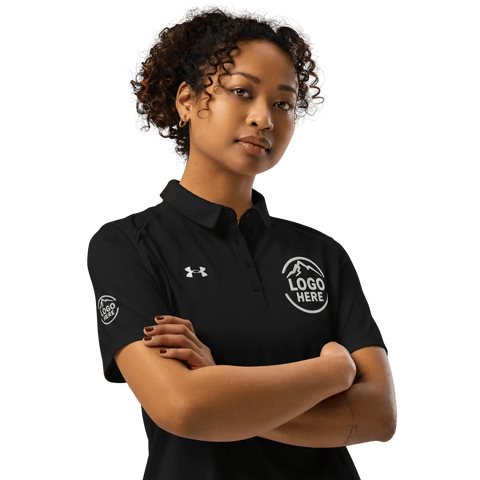
Compare styles and prices in one place
Every blank, weight and decoration option side by side, with current listed prices.
The value pick from this guide

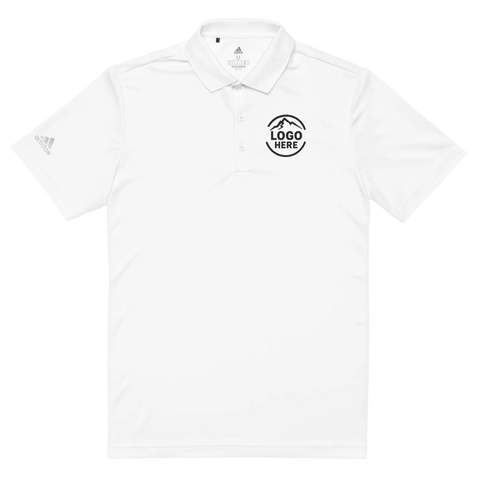
No minimum order. Free digital proof before anything is made.
No minimum order. See your logo on the real product first.
Every price is listed. Free proof before anything is made.
Ordering for a team?
Get a quote for your whole team
You have seen the prices already, so a quote here is arithmetic, not a sales call. Send your quantities, sizes and product and we total the program from the same listed prices in this guide. No setup fees, no minimums.
Get a QuoteHow do I size a team I can't measure in person
Use brand-specific size charts and collect measurements consistently. Don't ask employees for “usual size” only. Ask for chest, waist, and any fit preferences if the garment is structured. If possible, test one sample style first before rolling it out widely.
How should staff wash embroidered or printed uniforms
Keep the care rules simple enough that people will follow them. Turn decorated garments inside out, wash with similar colors, and avoid harsh treatment that can stress thread or printed areas. The goal is consistency. A decent garment treated the same way every week will usually outlast a better garment treated carelessly.
What's a realistic timeline from quote to delivery
Once artwork is approved, custom embroidered or printed work uniforms often move quickly. According to available industry guidance, standard production is typically 2–3 business days after proof approval, with digital mockups provided within 24 hours before production and tracking provided after shipment.
The actual timeline usually depends on how fast you approve the proof, whether the garments are already selected, and whether shipping needs to be expedited.
How many pieces should each employee get
That depends on wash frequency, shift pattern, and whether the role is clean or dirty. In practice, most owners should think in terms of enough pieces to avoid daily emergency washing and enough backup to cover one damaged item. Teams in higher-soil environments usually need a deeper rotation than front desk or office staff.
What if I still have questions about reorders, proofs, or logo setup
That's normal. Most of the friction in work uniforms happens in the details. Saved artwork, item consistency, fit questions, and replacement orders all matter more after the first purchase than before it. If you want a practical reference point, this roundup of custom uniform questions covers the issues businesses usually run into once they start ordering regularly.
Do work uniforms actually change how customers see a team?
Yes, and the effect is about recognition speed rather than style. 93% of consumers prefer employees to wear uniforms because they are easily recognizable. In a cafe that means knowing who can help. In an auto shop it means telling staff from customers waiting on a vehicle. In a healthcare office it means knowing who belongs behind the desk. A useful test: if a customer has to ask who works here, your current dress standard is not doing enough.
What fabric weight should trades uniforms be?
Three bands cover most trade work. Lightweight around 155gsm suits climate controlled work, layering and lighter duty roles. Midweight around 190gsm is the all round choice for general trade use where comfort and durability both matter. Heavyweight around 310gsm is better suited to harsher conditions involving abrasion, heat or chemical exposure. For harder use roles, industrial and trade fabrics can exceed 50,000 double knit abrasion cycles and deliver 3 to 5 times the service life of standard cotton or poly cotton blends, which turns fabric choice into a replacement cost decision rather than a comfort one.
Why do reordered uniforms come back a slightly different color?
Because garments ordered months apart can come from different dye runs. Navy next to navy is not always the same navy, and the mismatch is easy to miss when you reorder one or two pieces at a time. Four safeguards fix it. Standardize the exact garment model rather than reordering something similar, keeping the same brand, product and color name. Buy a small reserve for core roles. Approve one official color path instead of letting each manager pick a near match. And keep the decoration files fixed, meaning placement, thread color and scale stay the same.
Which garments and decoration method suit my industry?
Construction and trades do best on heavy duty polos, work shirts and outerwear in midweight to heavyweight performance fabrics, with embroidery on polos and outerwear. HVAC and auto repair suit mechanic shirts, durable tees, shop jackets and layerable polos in midweight fabrics, with chest embroidery and larger print only where useful. Hospitality and retail suit polos, aprons, button downs and lightweight knits in easy care blends. Healthcare admin and veterinary front desk suit polos, quarter zips and clean branded tops in soft easy care blends. Fitness teams suit performance tees, quarter zips and hats. Offices suit polos, woven shirts, sweaters and vests with embroidery kept subtle.
What should I check before approving a uniform order?
Define the main job of the uniform first, whether that is recognition, comfort or easier dress code enforcement, because one clear priority keeps the rest grounded. Set the buying rules early, covering who approves garments and whether new hires get the same kit automatically. Choose garments by task rather than preference. Pick materials based on wear pattern. Keep branding disciplined by confirming logo size, placement and colors once. Check fit across the actual team rather than one sample on one person. Ask about care requirements. Run a small pilot if you can. Vet how the supplier handles reorders and saved files. Then confirm the reorder plan before launch.
Every price is on the page. No form first.
No minimums, no setup fees, free proof.
Get a free quote
Priced from the listed prices on this page
Request sent
Keep browsing while you waitThat did not send
Something blocked the request on our side. Send it through the quote page and we will pick it up there.
Open the quote page